

Tenant screening 101: a simple checklist every new landlord should follow is less about paperwork and more about protecting your time, cash flow, and sanity. Think of it as picking a long term roommate for your investment. You are not trying to find a perfect person, you are trying to find someone who reliably pays, respects your property, and communicates.
This guide walks you through a practical tenant screening checklist from first inquiry to final approval. You will see what to collect, what to check, and what to avoid so you stay fair, legal, and confident in your choice.
Before you review a single application, you need written criteria. This keeps you consistent, reduces bias, and helps you comply with fair housing rules.
Your written standard should cover:
Aim for simple rules you can apply the same way to every applicant. For example, you might decide that monthly income must be at least three times the rent, with no evictions in the last five years, and no unpaid landlord judgments.
Once you are clear on your standard, share it upfront in your listing and during showings. You will attract better fit applicants and avoid awkward surprises later.
If you want a deeper dive into how this fits into your full workflow from listing to move in, you can pair this guide with from application to approval: a step-by-step tenant screening workflow for first-time landlords.
A strong tenant screening 101: a simple checklist every new landlord should follow always starts with the application form. This is where you collect the data that you will later verify.
At a minimum, your form should capture:
A thorough application form is not about scaring people away. It is about giving you a consistent snapshot of every applicant so you can compare them against the same criteria. As the Rentastic 2025 guide notes, a detailed rental application is the first step in a solid tenant screening process because it sets up everything that follows.
Use clear, plain language and explain why you ask for each sensitive item, such as Social Security number or employer contact. Applicants are more willing to share when they understand the purpose and how you will protect their data.
Once you have the application in hand, your next job is to confirm that the tenant can comfortably afford the rent. On paper income can look fine, but verification turns assumptions into facts.
You have three main checks here.
First, verify employment. Request recent pay stubs, an offer letter, or an employer letter that confirms position, start date, and pay. You can also call the workplace and ask for HR to confirm that the person works there, their status, and how long they have been employed. According to Rentastic’s 2025 property management guidance, this step is key for reducing the risk of rent non payment because it proves stable employment.
Second, look at income stability. A general rule is that monthly income should be at least three times the monthly rent. That is not a law, but it is a useful baseline. If someone is right on the edge, explore context. A high earner with variable commission is different from someone who just started a brand new job.
Third, look for consistent documentation. Self employed applicants might not have pay stubs, but they can provide tax returns, bank statements, or contracts. What you want is a clear, steady pattern that shows they can cover rent and other bills.
Tenants rarely behave better in your unit than they have in previous units. That is why rental history is a cornerstone of tenant screening 101: a simple checklist every new landlord should follow.
Begin with the information from the application form. You want at least two previous landlords if possible. Then, contact each one directly using the number you find independently where you can, not only the one the applicant provided.
When you speak with a prior landlord, ask short, factual questions:
You are not searching for drama, you are checking for patterns. One late payment in two years is very different from chronic lateness or repeated neighbor disputes.
Rentastic’s 2025 guidance emphasizes that contacting previous landlords is one of the most revealing steps in tenant screening. It shows you how the applicant handles rent, property care, and landlord communication in real life, not just on paper.
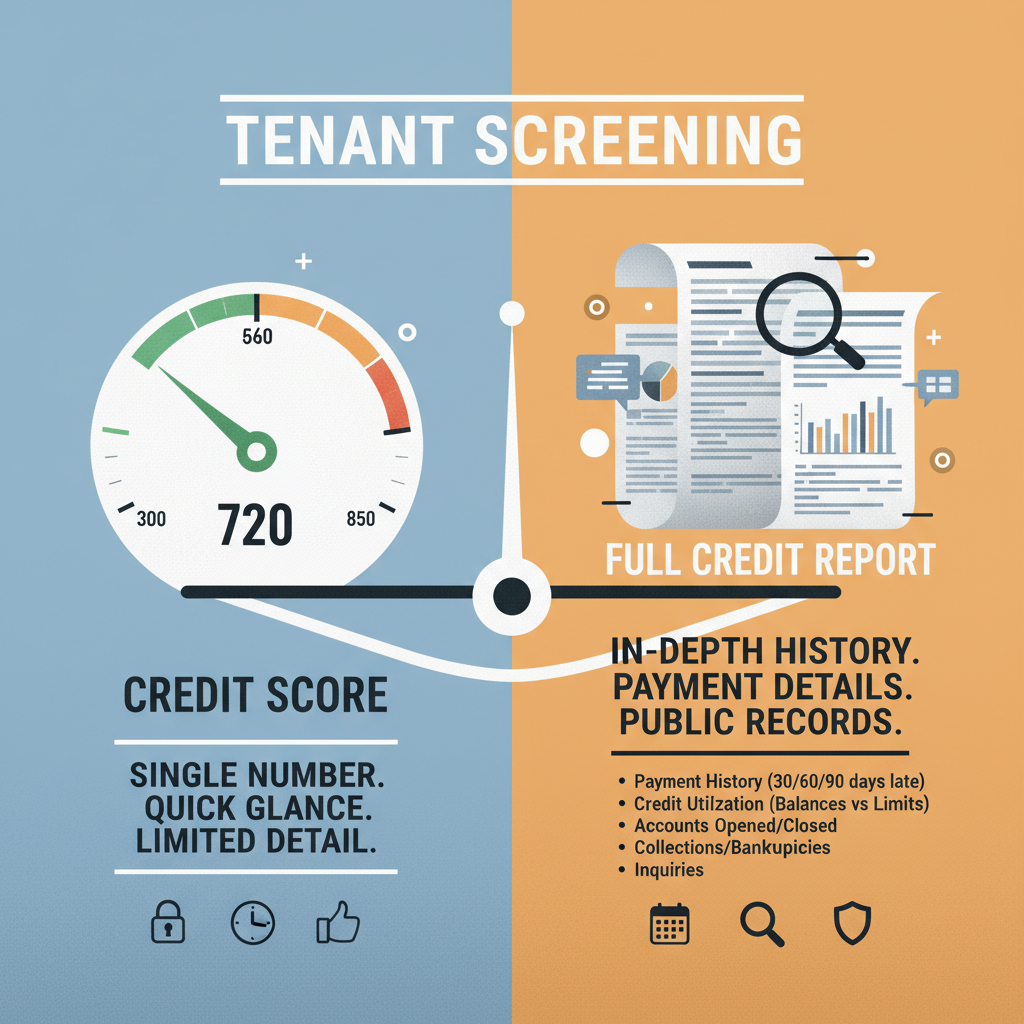
A credit report is not about judging someone’s past life choices. It is a practical tool for understanding whether they manage ongoing obligations, such as rent, utilities, and loans.
To run a credit check, you typically use a tenant screening service or a credit bureau. Make sure you have written consent from the applicant, usually via your application form, and store that consent with your records.
When you review the report, look for:
A few late credit card payments years ago are less concerning than multiple recent collections or an unpaid judgment from a prior landlord. The goal is to understand their financial habits and risk level.
As the Rentastic 2025 materials point out, checking creditworthiness is one of the most effective ways to reduce the risk of non payment. You are not seeking perfection, you are trying to avoid situations where rent is likely to be one of many unpaid bills.
Credit history is one side of the picture. Background and eviction checks give you another view of risk.
A standard tenant background check can include:
Use a reputable screening service and make sure your application form clearly authorizes this check. You want to confirm that the history matches what the applicant shared and watch for serious red flags.
This is also where fair housing compliance becomes critical. The U.S. Department of Housing and Urban Development has guidance on how landlords can use criminal records in housing decisions without causing illegal discrimination, which you can review on their site. In practice, this means you should:
Eviction records deserve careful attention too. One eviction from ten years ago, followed by a clean history, is not the same as a recent pattern of evictions or unpaid rent. Consider context and ask the applicant to explain anything that looks concerning.
References are sometimes treated as a formality, but used well they can help you separate similar applicants and confirm your impressions.
Ask for at least two or three references who are not immediate family. These can be:
When you call, keep it short and practical. You can ask how long they have known the person, what they are like to work with or live near, and whether they would trust them with something valuable. You are checking for consistency with what you have already seen in the application, not fishing for gossip.
Rentastic’s 2025 property management plan notes that references plus landlord calls often reveal the tenant’s true communication and conflict style. Someone who handles small conflicts calmly and takes responsibility for mistakes will usually be easier to work with long term.
You do not need a formal interrogation. A simple 10 to 20 minute conversation can help you confirm details, set expectations, and feel out whether you can work well together.
You can meet in person at the property or schedule a quick video or phone call. Keep the questions tied directly to your criteria and the application. For example, you can ask:
Avoid anything that touches on protected characteristics such as race, religion, national origin, disability, or family status. That is both illegal and unnecessary. The Fair Housing Act explicitly prohibits discrimination based on these categories, and complying protects you from legal penalties while keeping the process fair.
Use the interview to explain key expectations too, such as noise rules, parking, maintenance requests, and guest policies. Clear communication now can prevent disputes later.
By this point you have a lot of information. The key is to decide using the standard you wrote at the start, not by gut feeling alone.
Go through a simple mental checklist for each applicant:
If an applicant meets your standards, you can move forward with an approval. If they do not, document your reasons in neutral, factual language and keep that on file. This record is helpful if someone later questions your decision or accuses you of unfair treatment.
For a more detailed control list focused specifically on risk, you can pair this article with first-time landlord mistakes: skipping this tenant screening checklist can cost you thousands.
Legal compliance is not a separate chore. It is baked into how you design and use your tenant screening checklist.
Here is what staying compliant usually means in practice:
The Rentastic 2025 property management plan goes further and recommends clear lease clauses on tenant responsibilities and maintenance obligations. This clarity reduces legal risk after move in as well. For a legal focused angle, you can also review enant screening checklist + legal tips: how first-time landlords stay compliant.
If you manage multiple units or plan to grow, it is worth having a local landlord attorney glance over your application, criteria, and lease at least once. A short review now costs much less than a fair housing dispute later.
Treat your screening checklist like a recipe. When you follow the same steps in the same order every time, your results are predictable and you spend less energy guessing.
Screening does not end when you pick a tenant. How you communicate around approval or denial sets the tone for future interactions.
For approved applicants, send a clear next step list:
Keep the line open for questions and respond quickly. Rentastic’s 2025 recommendations stress that strong landlord tenant communication reduces disputes and encourages faster maintenance reporting, which protects your property.
For denied applicants, stay brief and professional. If your denial is based on information in a credit or background report, follow the required steps, such as providing an adverse action notice and instructions for obtaining a copy of the report.
This level of clarity feels professional to applicants and makes your life easier. It also helps you maintain a positive reputation, which matters when good tenants talk to each other.
Tenant screening is not a one time setup. Markets change, laws evolve, and your risk tolerance may shift as your portfolio grows.
Once or twice a year, review:
This is exactly the sort of performance tracking the 2025 Rentastic property management plan recommends. The idea is not to blame yourself, but to adjust your screening criteria where needed.
For example, if you notice that most of your serious problems came from applicants with marginal income ratios, you might tighten your income standard. If you see issues related to unclear rules, you might rewrite certain lease clauses instead.
As you gain more experience, you can also layer in the broader perspective from the complete tenant screening checklist for first-time landlords (2026 guide) to keep your process current.
Here is a condensed version of tenant screening 101: a simple checklist every new landlord should follow. You can keep this next to your applications.
If you follow these steps consistently, screening will feel less like guesswork and more like a reliable system. Your units will stay occupied with people who pay, care, and stay longer, and you will have more time to focus on growing your rental business instead of putting out fires.
RECENT POSTS


© 2025 Rentastic
Rentastic is registered as a trademark. Terms and conditions, features, support, pricing, and service options subject to change without notice.














.png)

































































Comments